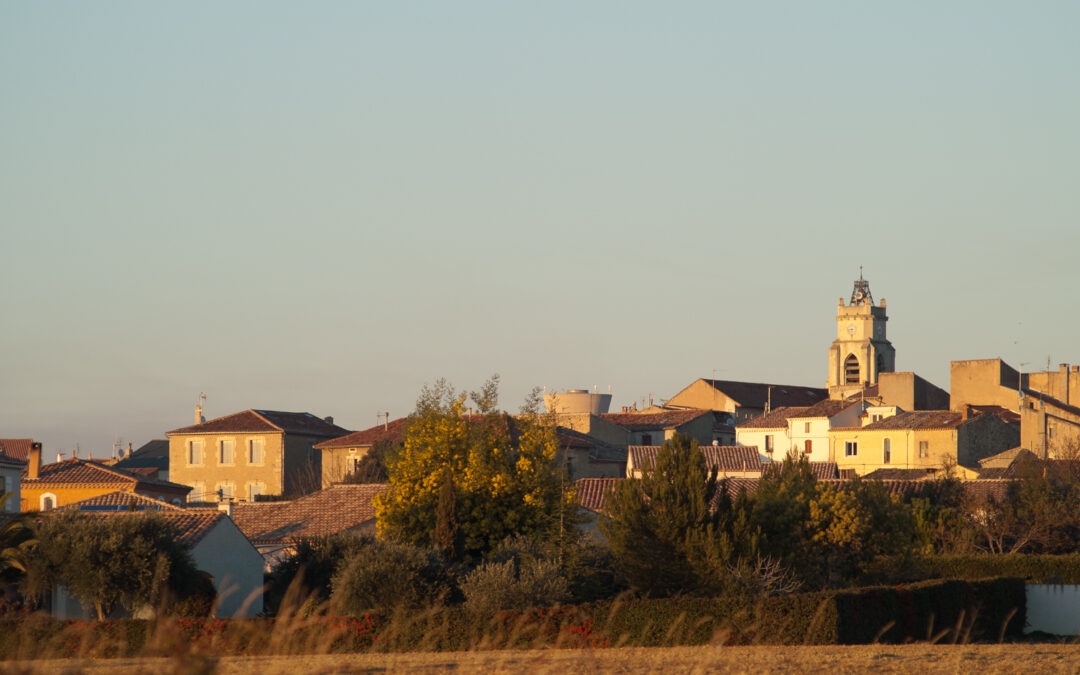
We never set out to invent names. They were already there, around us, and naturally became part of the estate’s story over time. Each one is connected to a place, a memory, and to this journey that began in 1999.
Why Prés Lasses ?
When we created the estate, we needed to find it a name.
At the time, we farmed around ten hectares, including two parcels located in a place known as Prés Lasses.
But this was not our only option. We were looking for a name that could create a link between the estate’s different parcels. As we walked through the vineyards, one thing kept appearing: wild boar tracks. That is how Tiers Ans came about, with its Languedocian sound. The name refers to a three-year-old wild boar.
In the end, Prés Lasses naturally emerged as the obvious choice. Quite simply, it was the name that best told the story of our beginnings. And it was also the easiest to remember, both in France and abroad.
Today, nearly two hectares of the estate’s vines are still planted on the land that lent us its name.
We have also borrowed the names of other local places for our single-parcel wines, such as Nissau and Pataques. The grapes used to make these wines come exclusively from these specific tènements or climats, as they are known in Burgundy.
And, to root ourselves in the village we call home, we chose the names of a few streets and narrow lanes for our main cuvées.
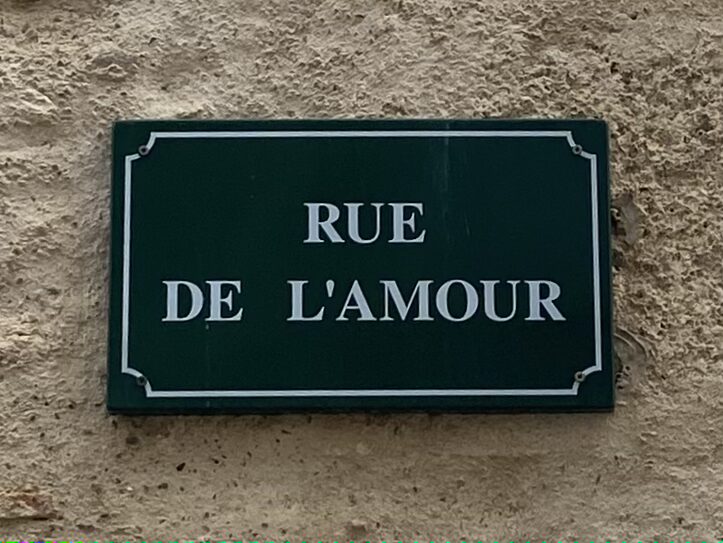
Amour
Our first address was 5 rue de l’Amour, in Autignac. The place where we made our very first wines. The name Amour naturally became the estate’s signature, and you can now find it on some of our labels, letterheads, boxes, and more.
It also became the name of the “Amour” range. Tender and fruit-forward, these wines are made to be enjoyed straight away.
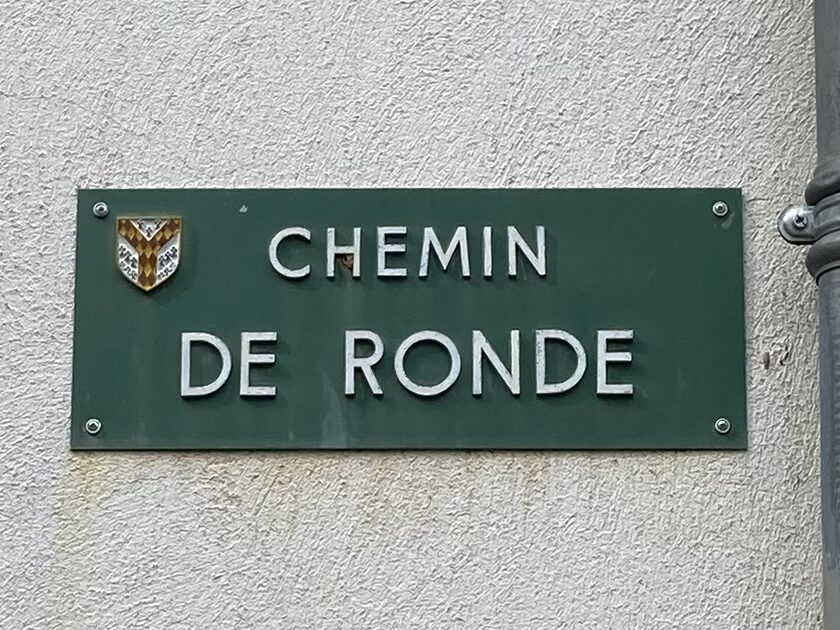
Chemin de Ronde
The chemin de ronde, or watch path, was used to patrol and keep watch over medieval castles. In Autignac, this passage eventually became rue du Chemin de Ronde, a name we liked for our “core range” cuvée.
A broader blend of our grape varieties, it reflects our vision of the Faugères terroir and the connection we have with these lands.
Castel Viel
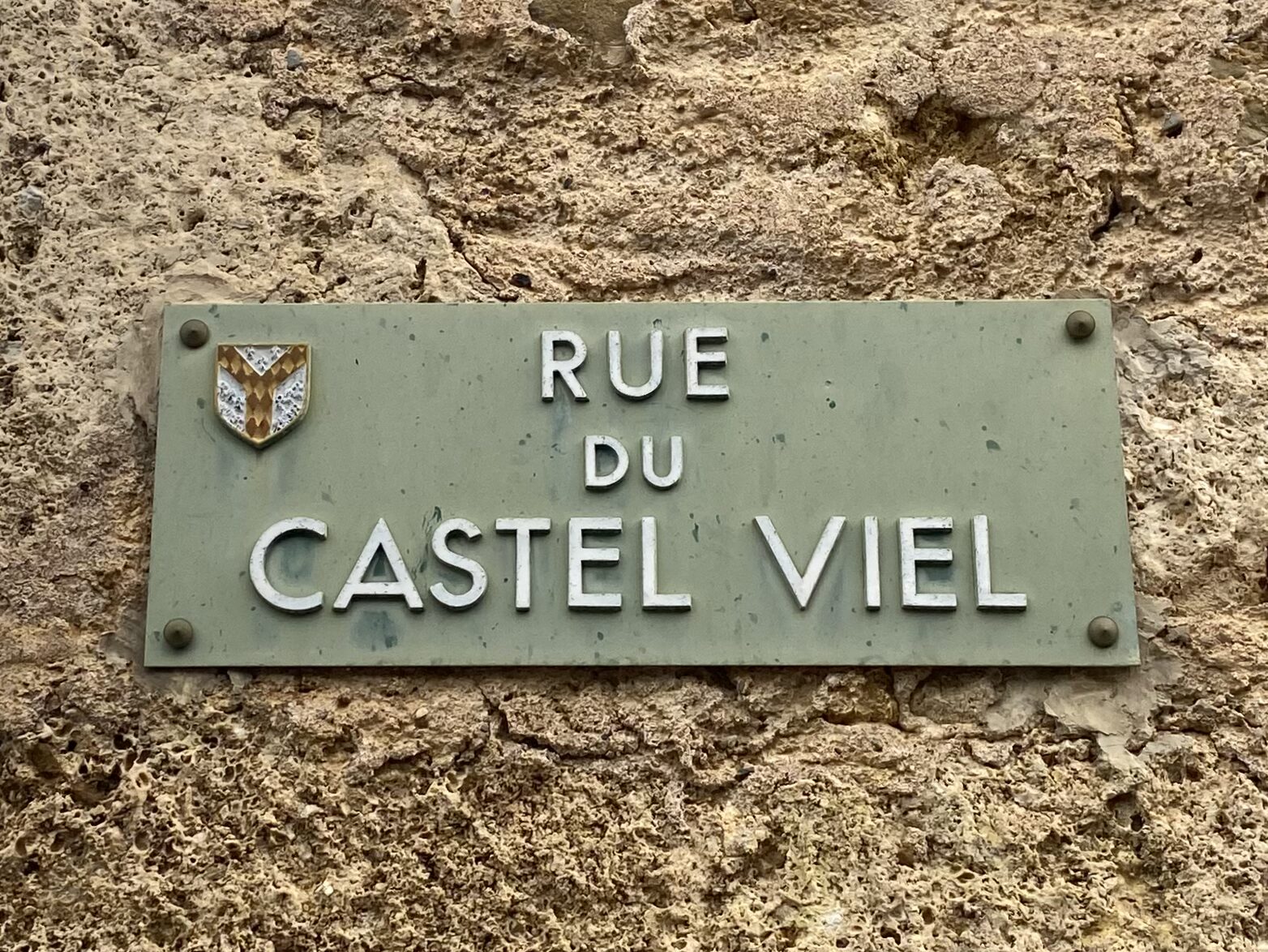
This street was another entrance to our first winery. It was through this narrow lane that the grapes entered the cellar to be made into wine.
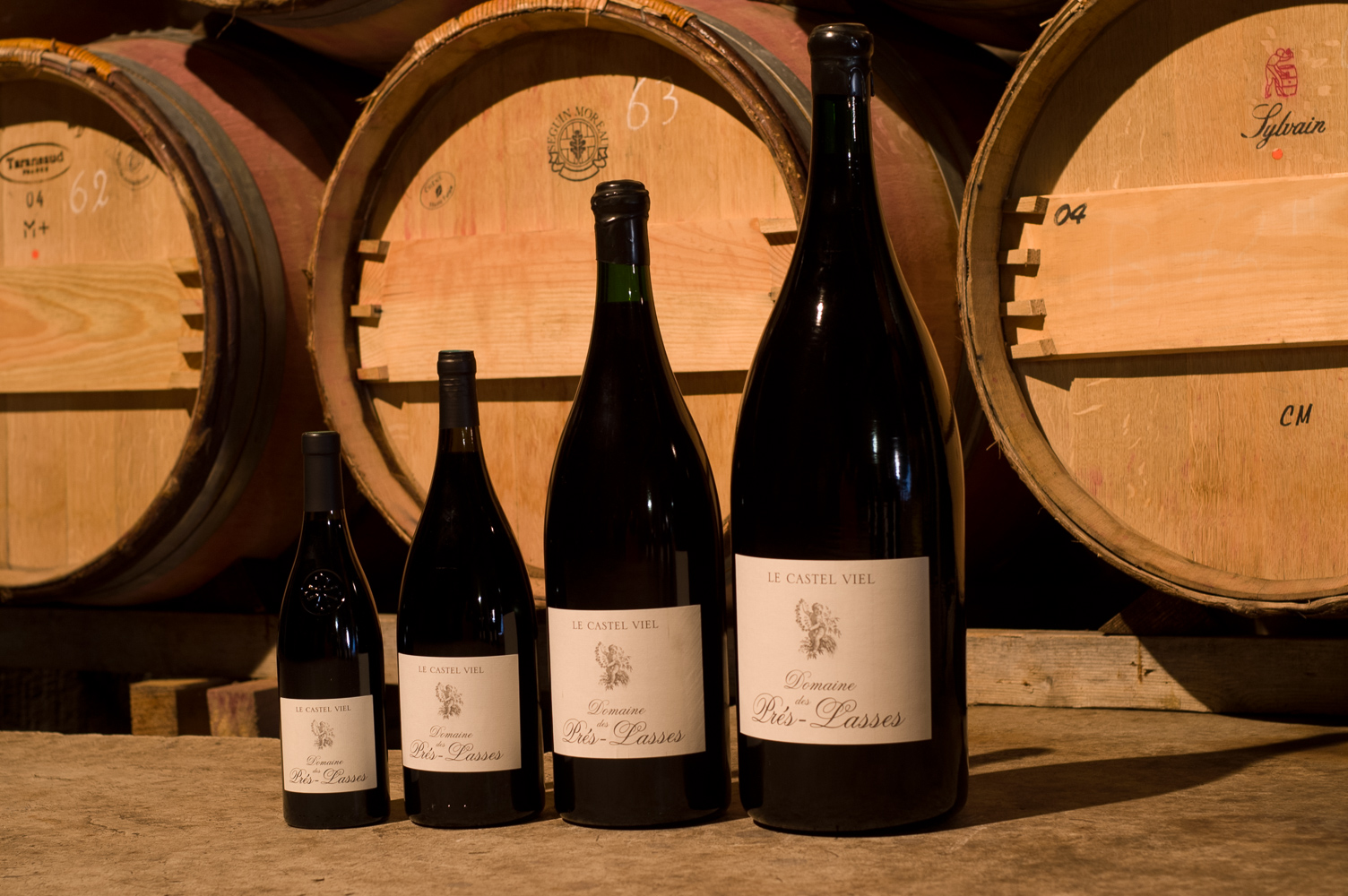
In Occitan, Castel Viel means “old castle”. The name refers to the village’s former castle, which once stood on this very site.
Today, Castel Viel remains the estate’s iconic cuvée.
Ultimately, these names simply tell our story: that of an estate born at the end of the last century, and the places that have shaped and witnessed its growth.